Wood-Pressed Oils vs Refined Oils: Which One Is Healthier for Your Family?
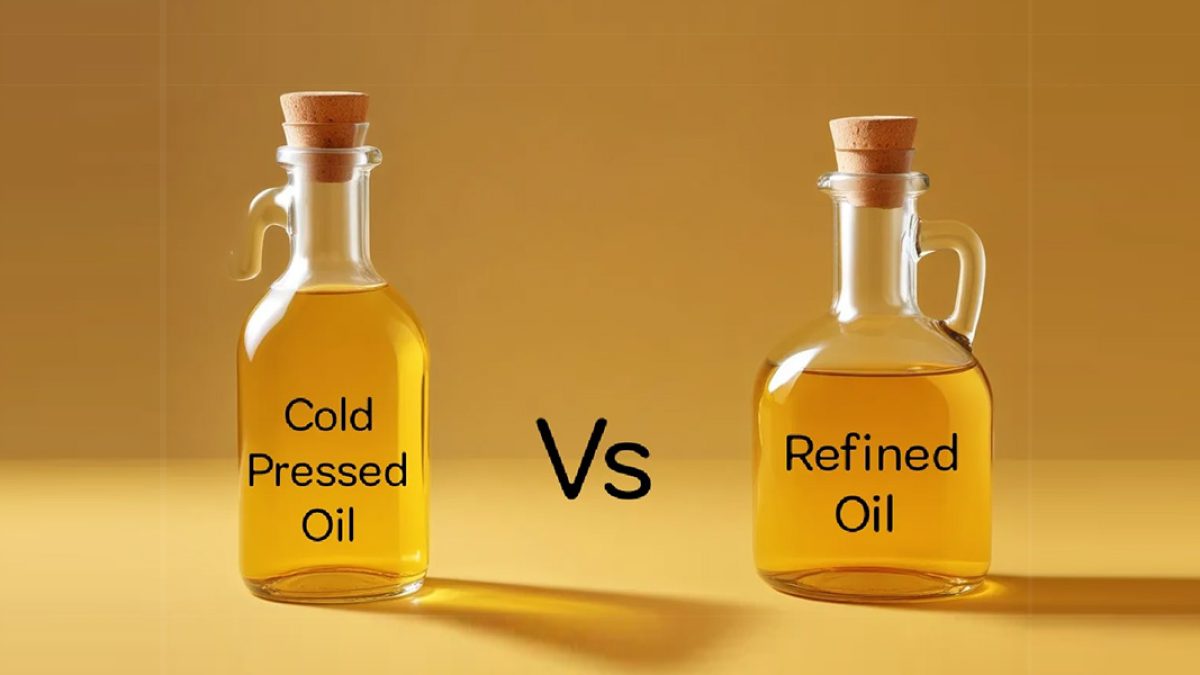
In today’s fast-paced lifestyle, choosing the right cooking oil is one of the most important decisions for your family’s health. While supermarket shelves are filled with refined oils marketed as “light” and “heart-friendly,” traditional wood-pressed oils are steadily making a comeback.
But what exactly is the difference? And which one is truly healthier for your family?
Let’s understand.
What Are Wood-Pressed Oils?
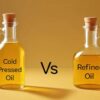
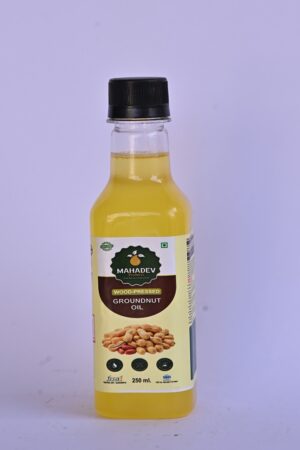
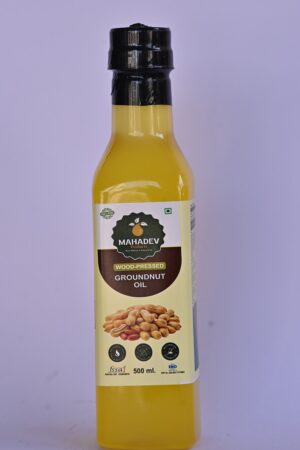
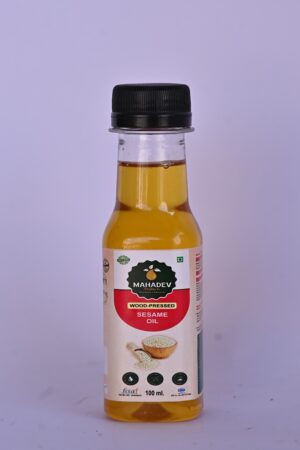
Wood-pressed oils, also known as cold-pressed or Ghani/Kolhu oils, are extracted using traditional wooden churners at low temperatures. This slow extraction process ensures that:
- Natural nutrients remain intact
- No chemicals are used
- No excessive heat is applied
- The oil retains its natural aroma and flavor
Because the oil is not exposed to high heat or chemical refining, it maintains its original nutritional value.
What Are Refined Oils?
Refined oils are produced using industrial processes that involve:
- High-temperature extraction
- Chemical solvents like hexane
- Bleaching and deodorizing
- Artificial refining processes
While this increases shelf life and produces a clear, odorless oil, it significantly reduces natural nutrients and antioxidants.
Nutritional Comparison
1. Nutrient Retention
Wood-pressed oils retain vitamins like Vitamin E, antioxidants, and essential fatty acids.
Refined oils lose many of these nutrients during high-heat processing.
2. Chemical Exposure
Wood-pressed oils are free from chemical solvents.
Refined oils often undergo chemical treatment during extraction.
3. Digestibility
Wood-pressed oils are easier to digest because their natural structure remains intact.
Refined oils may be harder for the body to process due to altered fat composition.
Health Impact on Your Family
Choosing cooking oil impacts:
- Heart health
- Digestion
- Immunity
- Energy levels
- Long-term wellness
Wood-pressed oils support better metabolism and provide healthy fats in their natural form. Refined oils, though widely available, may contribute to inflammation and reduced nutrient intake when consumed regularly over time.
👩🍳 Taste & Cooking Experience
One noticeable difference is flavor.
- Wood-pressed sesame or groundnut oil has a rich, authentic aroma that enhances traditional Indian dishes.
- Refined oils are mostly neutral in taste due to deodorization.
If you want your food to taste the way it did in your grandmother’s kitchen, wood-pressed oil makes a visible difference.
🌾 Why Traditional Methods Matter
For generations, Indian households used wood-pressed oils without modern processing. These oils supported balanced nutrition and healthier lifestyles long before industrial refining existed.
Returning to traditional methods isn’t just about nostalgia — it’s about making informed, health-conscious choices.
🛕 The Better Choice for Your Family
When comparing both options, wood-pressed oils stand out because they are:
✔ Naturally extracted
✔ Nutrient-rich
✔ Free from chemicals
✔ Traditionally processed
✔ Flavorful and authentic
If your priority is long-term health and purity, wood-pressed oils are the wiser choice.
Conclusion –
Your kitchen is the foundation of your family’s health. Switching from refined oils to traditionally extracted wood-pressed oils may seem like a small change — but it can make a big difference over time.
- Choose purity.
- Choose tradition.
- Choose better health for your family.